
The specification as the basis for control
Control starts with an agreed product description rather than inspection of a finished batch. The specification must identify model, material, dimensions, completeness, packaging and other applicable parameters unambiguously. Record permitted ranges in advance and mark reference parameters as such.
Reconcile the sources of requirements. Drawings, samples, commercial offers and contracts should not describe different product versions. Inconsistencies require an established order of precedence and written clarification; otherwise an accurate measurement may be compared with the wrong baseline.
Characteristic, inspection method and acceptance criterion
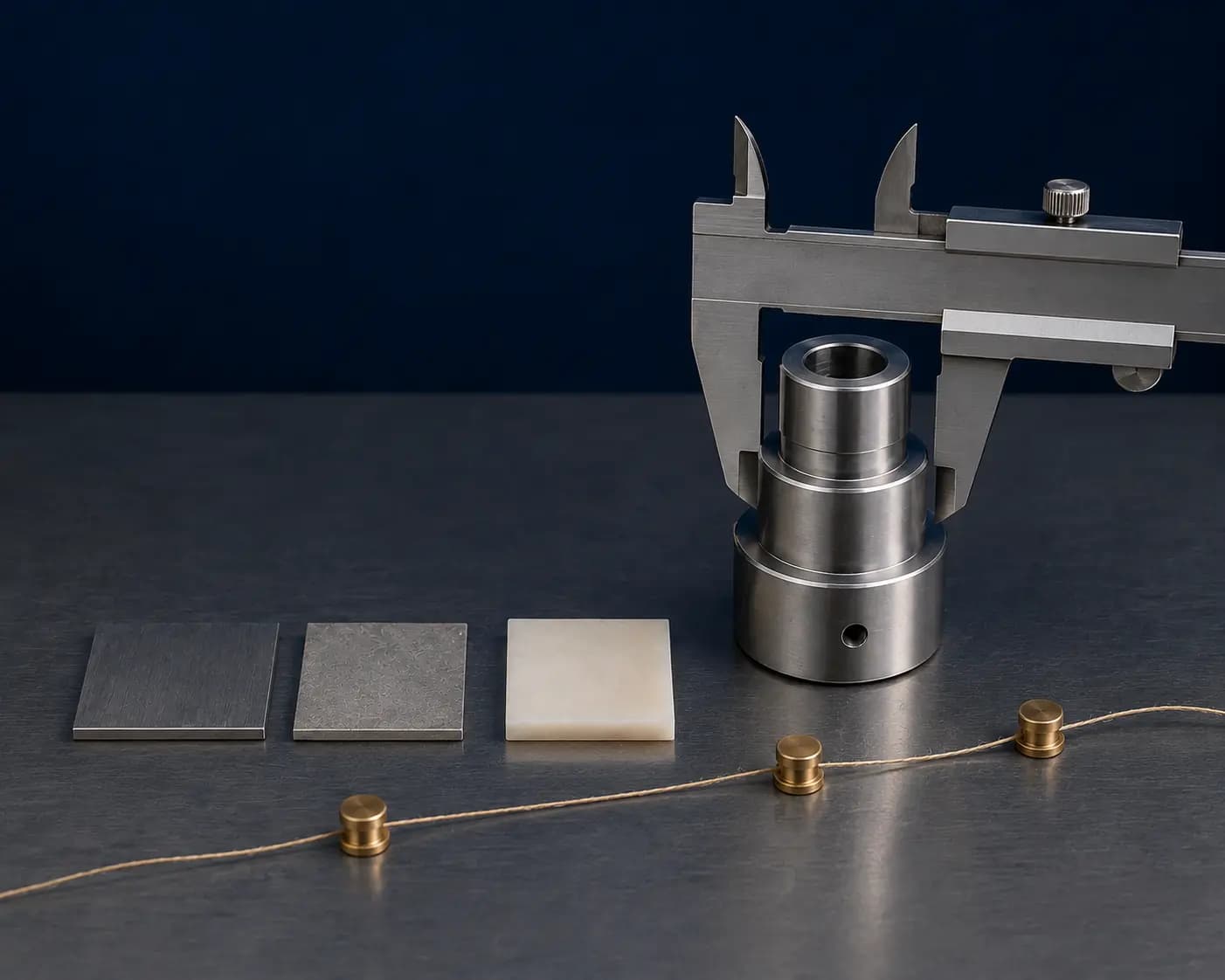
‘Check the dimension’ is incomplete without three answers: which dimension is the characteristic, which instrument and conditions are used, and which value leads to acceptance or rejection. Visual properties also require reference points: inspection area, lighting, acceptable processing marks and a process for disputed results.
The method must be realistic for the supply stage. Some characteristics require destructive testing or a specialist laboratory. The inspection plan therefore distinguishes documentary evidence, sample measurements, functional checks and activities reserved for qualified specialist organisations.
- what is being checked;
- the method and instrument;
- the number of units inspected;
- the acceptable result;
- how deviations are recorded.
Samples and documents before production or shipment
A sample can be a reference only for its recorded characteristics. Identify it, retain check results and connect it to the specification version. Visual similarity alone does not establish composition, service life or untested properties. Define acceptable variation for the production batch as well.
Review documents before corrections become costly or impossible. Check product identification, transaction parties, quantities, units, packaging descriptions and other relevant information. Labelling and authorisation requirements are established separately for the goods rather than through a universal template.
Batch readiness, packaging and labelling
A finished-batch check establishes whether goods available for shipment match the agreed baseline. Define the timing, access, sample, operations and report format before work begins. If the batch is incomplete, findings cannot automatically be extended to the missing portion.
Assess packaging for protection and identification. Check contents, critical surface protection, carton markings, consistency with documents and batch traceability. A photograph of sealed packaging is insufficient where significant product characteristics remain unchecked.
- batch identification and actual readiness;
- the inspection sample and access to units;
- product completeness and condition;
- individual and transport packaging;
- labelling and consistency with shipment information.
Checks during handover and transport
After handover, risks arise beyond manufacturing: packaging damage, mishandling, loss of packages or unagreed transshipment. At handover, record package quantity and condition, seals where present, documents and the carrier’s observations.
Products with special transport conditions require a separate control scenario. Allocate responsibility for providing condition data, selecting transport arrangements and assessing deviations in advance. A general instruction to ‘handle carefully’ cannot replace specific critical requirements.
Buyer acceptance and recording non-conformities
Acceptance completes supply but should use the same specification as earlier stages. The buyer identifies responsible staff, internal checking periods, available measurements and procedures for damaged packaging. Record findings before mixing the batch with other stock or releasing it to production.
Describe a non-conformity in verifiable terms: product identifier, affected quantity, requirement, actual result, method and photographs or documents where needed. Emotional descriptions unconnected to the specification hinder cause analysis and agreement on further action.
Responsibilities and the control plan
The manufacturer produces the agreed goods; the importer coordinates connected stages within its remit; the carrier fulfils transport terms; and the buyer provides correct requirements and timely acceptance. Record the specific allocation in supply documents rather than assuming it by default.
Checkpoints depend on the goods, production method, critical parameters, route and available methods. Excessive checking increases cost; insufficient checking leaves key risks uncontrolled. Build a requirements-and-evidence map and, where useful, discuss it with ALTRADA IMPORT before ordering.
- each requirement is linked to a stage and responsible party;
- each checkpoint has a defined method and result;
- documents and actual goods describe the same version;
- the escalation process is known before a problem arises.